
“Rest is a weapon. What was once seen as a weakness is now a strength.” - Brett Bartholomew, NFL strength and conditioning coach.
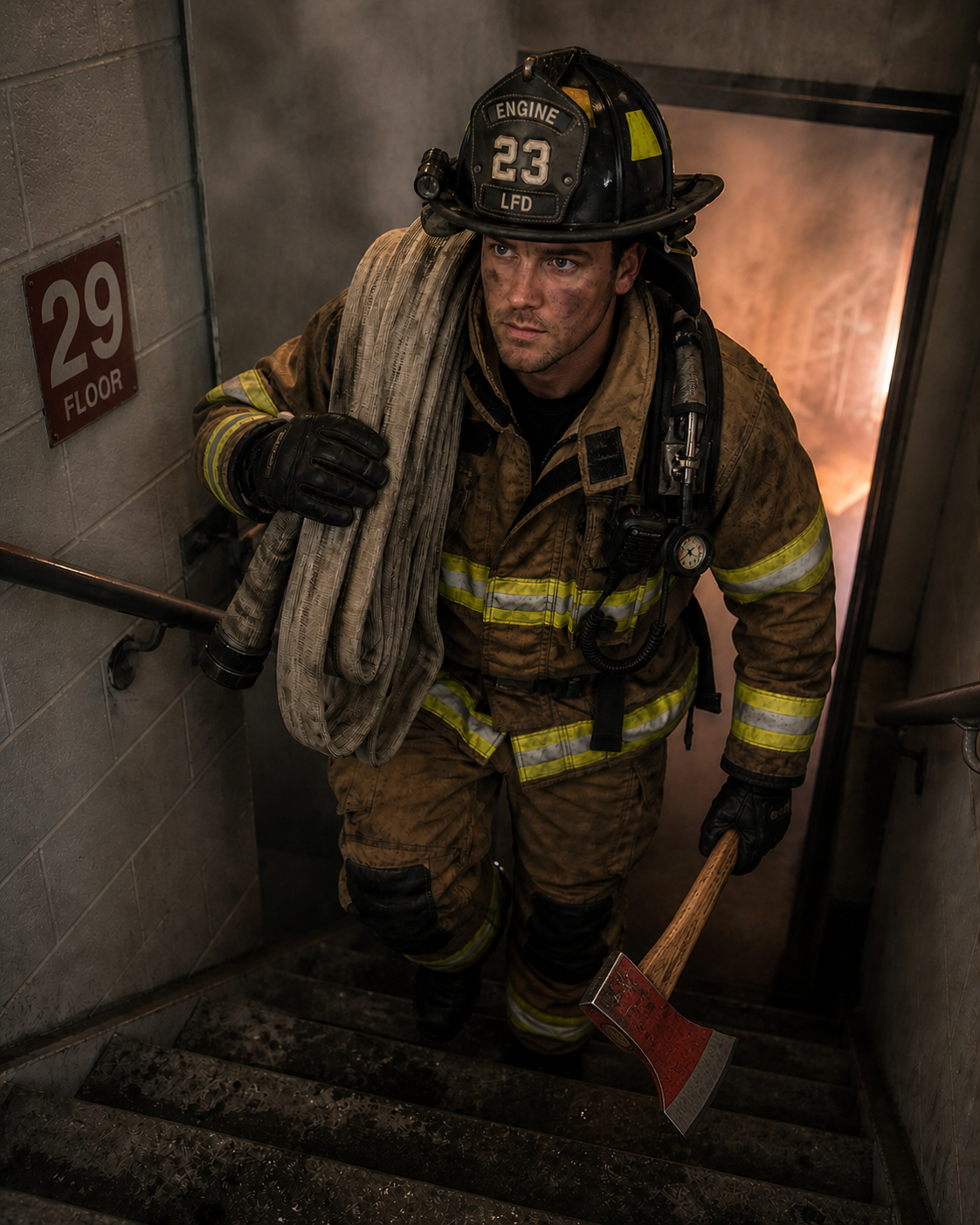
The looming tower stretched towards the deep blue sky, a concrete finger rising from the sprawling resorts below. The Florida sun was relentless, offering no relief from the rising heat inside the encapsulating bunker gear. Danny hung spare air cylinders over the bottle on my back and I shouldered the fifty foot section of hose. The fire was on the thirtieth floor and had rendered the elevators inoperable. We entered the hotel and began to ascend the interior staircase, tool in one hand, heaving our bodies by the handrail with the other. My legs screamed, lactic acid building from the one hundred pound burden draped on my body, feeling like a thousand. My body heat rose rapidly from the encapsulating bunker gear, organs seemingly cooking from the escalating temperature.
We made it to the floor beneath the fire, connected to the standpipe, masked up, and made entry through the door above. Visibility was zero. I fought through a sleep deprived brain fog to paint a mental picture of the suite. A hallway, bathroom, bedroom. I held the wall whilst Danny fanned out into the room. “I’ve got a victim!” he shouted through his hissing regulator. He dragged the unconscious adult to me and we reversed the path back to the door. The man’s dead weight was exhausting, limbs snagging on furniture as we traversed the smoke filled rooms. We carried him down to the floor below whilst the hose team knocked down the fire and completed the search behind us.
Danny doffed his gloves, checked the man’s pulse then grabbed the oxygen tank. I lay at the man’s head, laryngoscope in one hand and a tube in the other. My chest was heaving from the exertion making it even harder to visualize the burn victim’s closing airway. “Got it! Bag him.” Danny compressed the silicon bulb, forcing air into his compromised lungs as I secured the tube. “The rescue is delayed by a train. We've got to get him downstairs.” I said. We placed the oxygen cylinder on the man’s chest and began to carry him down. Floor by floor, we stopped on each landing, delivered two breaths, then continued to the next. The patient must have been two hundred pounds and I felt every ounce on the descent. My grip weakened, trying not to drop him as we snaked down the stairwell. Hyperthermic and exhausted, we finally exited the hotel as the responding ambulance pulled up.This was merely a realistic and grueling training exercise that day, but for the firefighters at the World Trade Center or Grenfell Tower, these were the very physical and mental challenges the rescuers encountered.
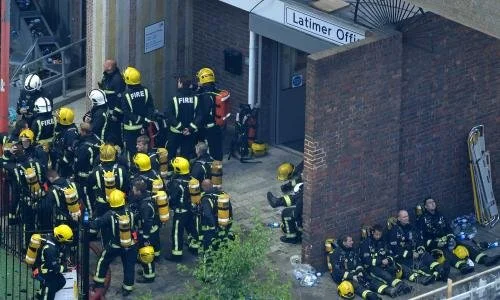
When it comes to firefighter physical and mental health, the focus has devolved from performance to mere survival. The first responder mental health conversation is spurred by the innumerable suicides, addictions and overdoses that plague our profession. This has created a very sad narrative that has locked us into a reactive state. The physical health conversation is no different. The cancers, cardiac arrests, obesity, testosterone depletion and strokes that fill our social media feeds have resulted in a “Let’s try and get them to die less” narrative. History has shown that this just doesn’t work. Whilst decontamination of our gear and peer support teams are needed, we are missing a huge part of the prevention conversation.
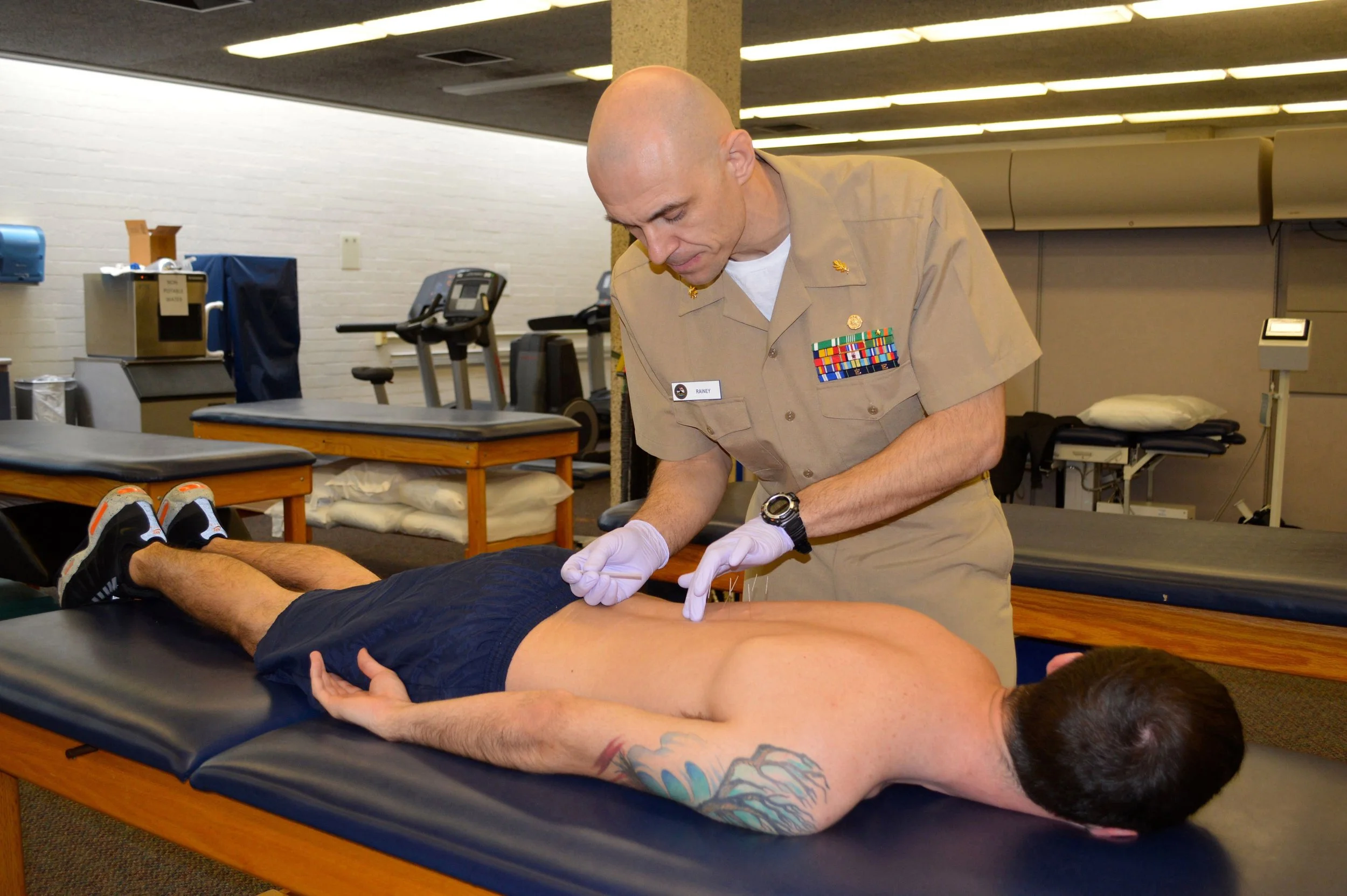
To illustrate, let’s study high performers in other comparable industries. Seeing the challenges in performance and longevity in the military, Army Special Forces developed the THOR 3 program, which focuses on strength and conditioning, prehab and rehab. As they state: ”We are Human Performance Pioneers. We relentlessly pursue holistic excellence in order to enhance performance, operational availability, and quality of life for the men and women of 1st Special Forces Group (Airborne).” Similarly, Naval Special Warfare has DEVGRU Human Performance, “A specialized, holistic optimization program designed to maximize the physical, mental, and emotional capabilities of Navy SEAL Team 6 operators. It focuses on integrating evidence-based strength, conditioning, nutrition, sleep, and psychological resilience to maintain high-operational tempo and longevity in top-tier special operations forces.” Yes you read that right, sleep is an integral part of performance.
Now let’s shift the focus to our elite sporting athletes. How many Superbowls or Stanley Cups would be won by athletes who had not slept for days on end? How many UFC belts held by fighters who ignored their physical fitness? It’s insane that we expect perfection from our sports stars yet not a single life hangs in the balance of a World Cup or Major League game. Conversely, the men and women who put themselves in harm’s way, who have to make life and death decisions in the blink of an eye, are often both overworked and underslept. The science behind the skill degradation and chronic illness from sleep deprivation is irrefutable. Some of the world’s most deadly and costly disasters resulted from decayed cognition of the operator. From the Exxon Valdez oil spill to the Chernobyl nuclear meltdown, the human and financial cost is innumerable.
But here’s the good news. When you chase performance, the work related physical and mental health issues are also positively affected. For example, an SAS soldier uses mindfulness, breathwork and psychological tools to perform at the highest level during a hostage rescue as a flow state is impossible with a busy mind. A beautiful side effect of this performance optimisation is that these same training tools pull the soldier further from crisis. Mental health counselling addresses childhood trauma, organisational betrayal and relationship stresses. Breathwork and cold plunges downregulate the nervous system improving sleep and reducing hypervigilance. This even extends to the home, creating more present partners and parents thus improving marriages and relationships with our children.
On the physical side, a Hawaiian ocean lifeguard is held to an incredibly high fitness standard involving intense runs, swims and paddling. This high bar is needed to facilitate ocean rescues in dangerous swells. Breathwork is imperative, training water confidence and breathholds for duck diving under waves. When held to a high standard physically, the likelihood of weight gain, cardiac issues, strokes and cancers become greatly reduced. The irony is that many fire departments actually fight fitness standards, blocking both performance gains and longevity. This is insanity as the physical bar is made painstakingly clear in fire academy. Daily PT, encumbered climbs, collapse maze searches and ladder throws are all part of the pass or fail process yet many disregard or even deny these standards once they enter the profession. How would you feel if your family died because the rescuer hadn’t maintained their fitness?

Mental acuity is imperative in a profession that might have to perform a primary search of a burning building or calculate pediatric cardiac arrest drug doses at 3am. Formula 1 teams utilize professional, specialized coaches, light therapy, and tailored, often 9-11 hour, sleep protocols to ensure their drivers operate at elite levels. Again, the question begs, why do elite athletes have these performance and longevity tools yet our nation’s firefighters continue to work 56 hour sleepless weeks, 80+ hours with forced overtime. There is no question that the woefully long hours contribute to deaths both in and out of uniform. By giving first responders the rest and recovery needed, not only does performance increase, but the mental health disorders that are directly related to sleep deprivation also improve. The 42 hour, 24/72 firefighter shift is a good example of a performance driven solution that should be an industry standard.
There has been a lot of pushback from the fire service ‘mutts’. The “If you can’t handle it, McDonalds is hiring” machismo that only sends more men and women into an early grave. When we chase performance, that outdated rhetoric really means “I don’t want to be a good firefighter” as they are literally opposing solutions that drive elite levels of performance. This job is not for everyone. Firefighters make up a mere 0.3% of the population yet they protect the other 99.7%. We are a Jack of all Trades, asked to perform a spectrum of skills in a moment’s notice. From structure fires to vehicle extrication, rope rescue to mass shootings, the list is unending. No matter the emergency, a crew of highly trained professionals respond to mitigate people’s worst day. That’s the reason why performance must be the focus. The way we’ve done it just isn’t working and our recruitment, retention, divorce and mortality numbers reflect that. By viewing our first responders as the tactical athletes they are, we will make a huge dent on the physical, mental and even relationship issues that have plagued this beautiful calling we call the fire service.
James Geering is a 14 year firefighter/paramedic, host of the Behind the Shield Podcast and author of “One More Light” and “Kinder”.